Solar Scale
Explore Our Cosmic Neighborhood
Space is big. Really big. Scroll through our interactive map to grasp the true scale of our solar system, from the blazing heart of the Sun to the freezing edges of the Kuiper Belt.

OUR STAR
The Sun
The Star of the Show
If the solar system were a massive stage, the Sun would take up almost all of the room.
OUR STAR
THE INNER SOLAR SYSTEM
The Inner Planets
Four rocky worlds orbiting close to the Sun — each sculpted by intense heat, collisions, and billions of years of cosmic forces.

INNER PLANET I
Mercury
The Speedy Survivor
The smallest planet in our solar system — only slightly larger than Earth's Moon.
INNER PLANET I
INNER PLANET II
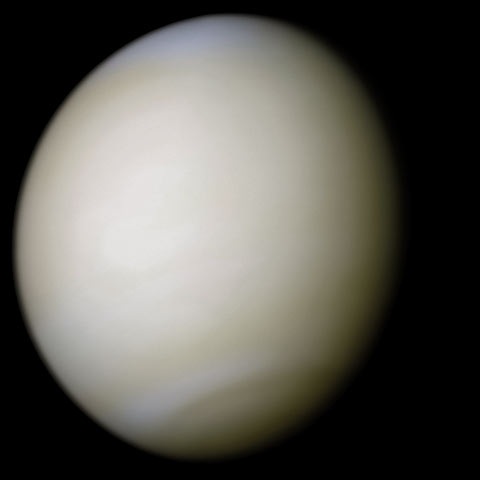
Venus
Earth's Opposite Twin
Similar in size and structure to Earth, but radically different — and far more hostile — on the surface.
INNER PLANET II
INNER PLANET III
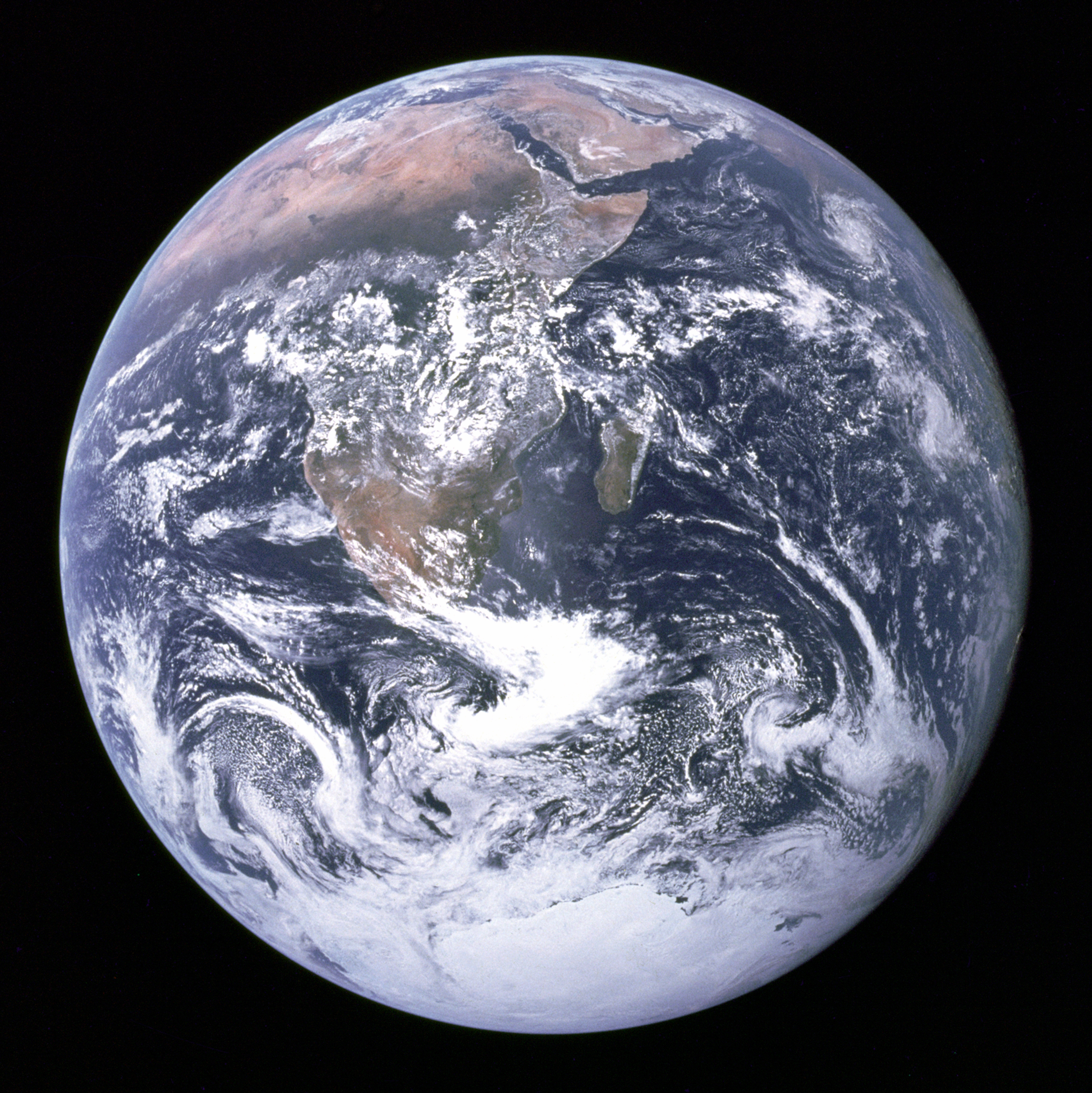
Earth
The Pale Blue Dot
The largest of the four rocky, terrestrial planets — and the only known world to harbor life.
INNER PLANET III

INNER PLANET IV
Mars
The Red Planet
About half the size of Earth, Mars is a world of ancient volcanoes, vast canyons, and enduring mystery.
INNER PLANET IV
THE OUTER SOLAR SYSTEM
The Outer Planets
Gas and ice giants of tremendous scale, ruling the outer solar system with dozens of moons and spectacular ring systems.

OUTER PLANET I
Jupiter
The Gas Giant King
More than twice as massive as all the other planets combined — the undisputed heavyweight champion.
OUTER PLANET I

OUTER PLANET II
Saturn
The Jewel of the Solar System
The second-largest planet, instantly recognizable by its breathtaking ring system extending across vast stretches of space.
OUTER PLANET II
OUTER PLANET III
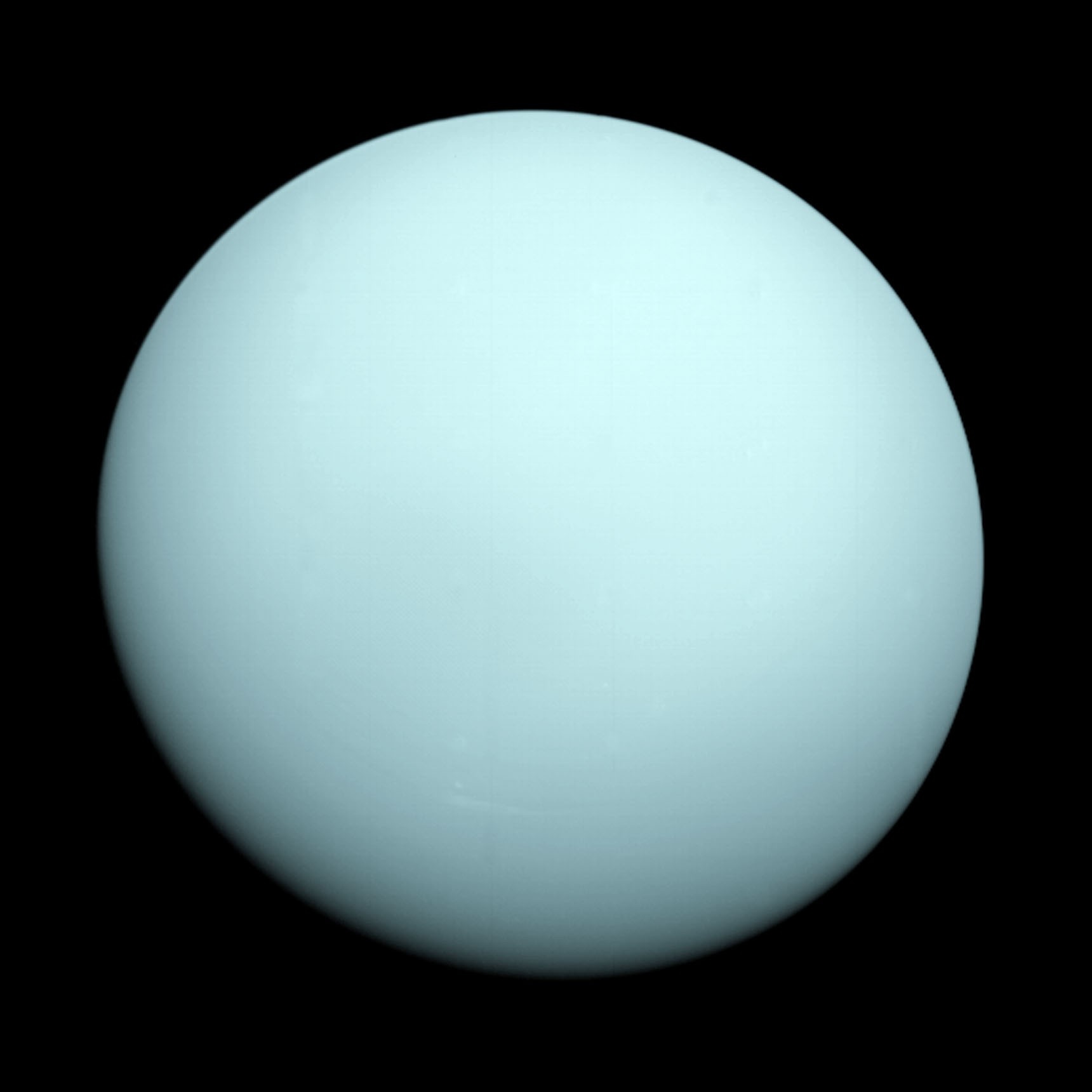
Uranus
The Sideways Ice Giant
About four times wider than Earth, Uranus tumbles through space on its side in a unique, rolling orbit.
OUTER PLANET III

OUTER PLANET IV
Neptune
The Windy World
The most distant major planet, Neptune is a frigid deep-blue world where supersonic storms rage perpetually.
OUTER PLANET IV
THE OUTER REACHES
The Outer Reaches
Beyond the known planets lies the frigid Kuiper Belt — a realm of dwarf planets, ancient ice, and the echoes of our solar system's formation.
THE OUTER REACHES
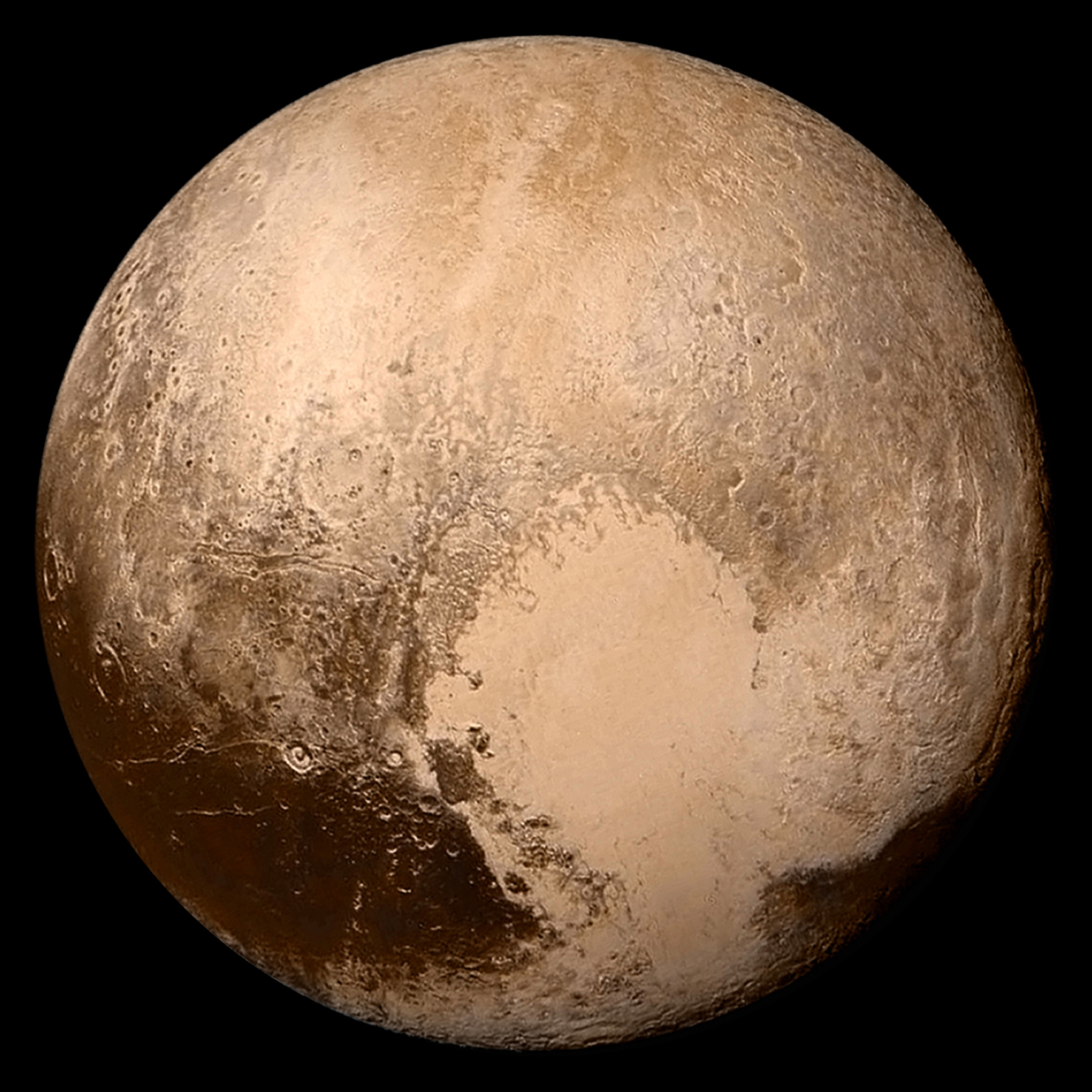
Pluto
The King of the Kuiper Belt
Tiny but beloved, Pluto reigns over the frozen frontier of our solar system with a surprisingly complex and beautiful surface.
THE OUTER REACHES
MAJOR PLANETARY MOONS
Major Moons
The solar system's most captivating satellites — worlds of fire, ice, hidden oceans, and enduring mystery.

MOON OF EARTH
The Moon
Our Celestial Companion
About one-quarter the size of Earth, our Moon is the largest natural satellite relative to its host planet in the solar system.
MOON OF EARTH
MOON OF JUPITER
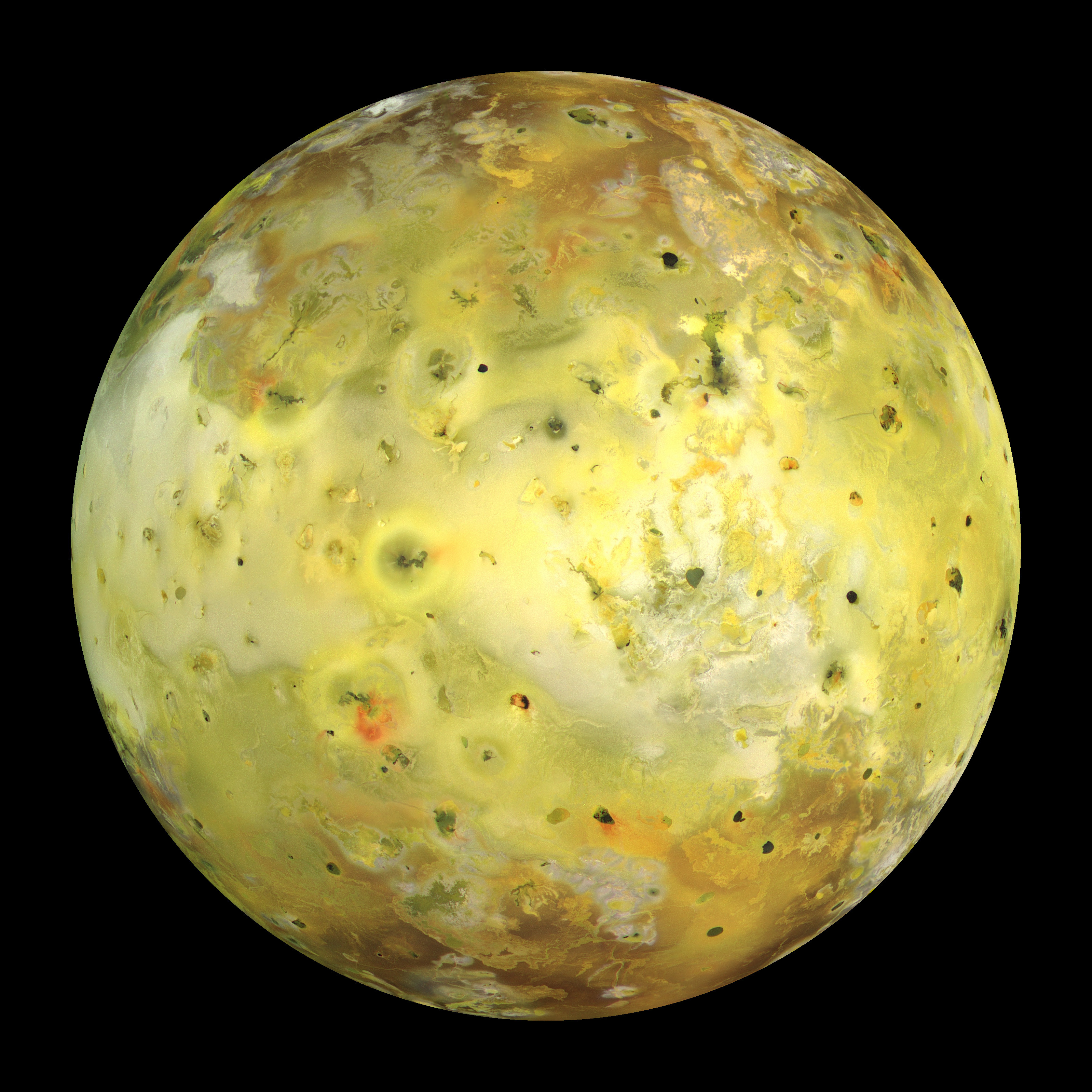
Io
The Volcanic Wonderland
Slightly larger than Earth's Moon, Io is the most volcanically active body in the entire solar system.
MOON OF JUPITER
MOON OF JUPITER
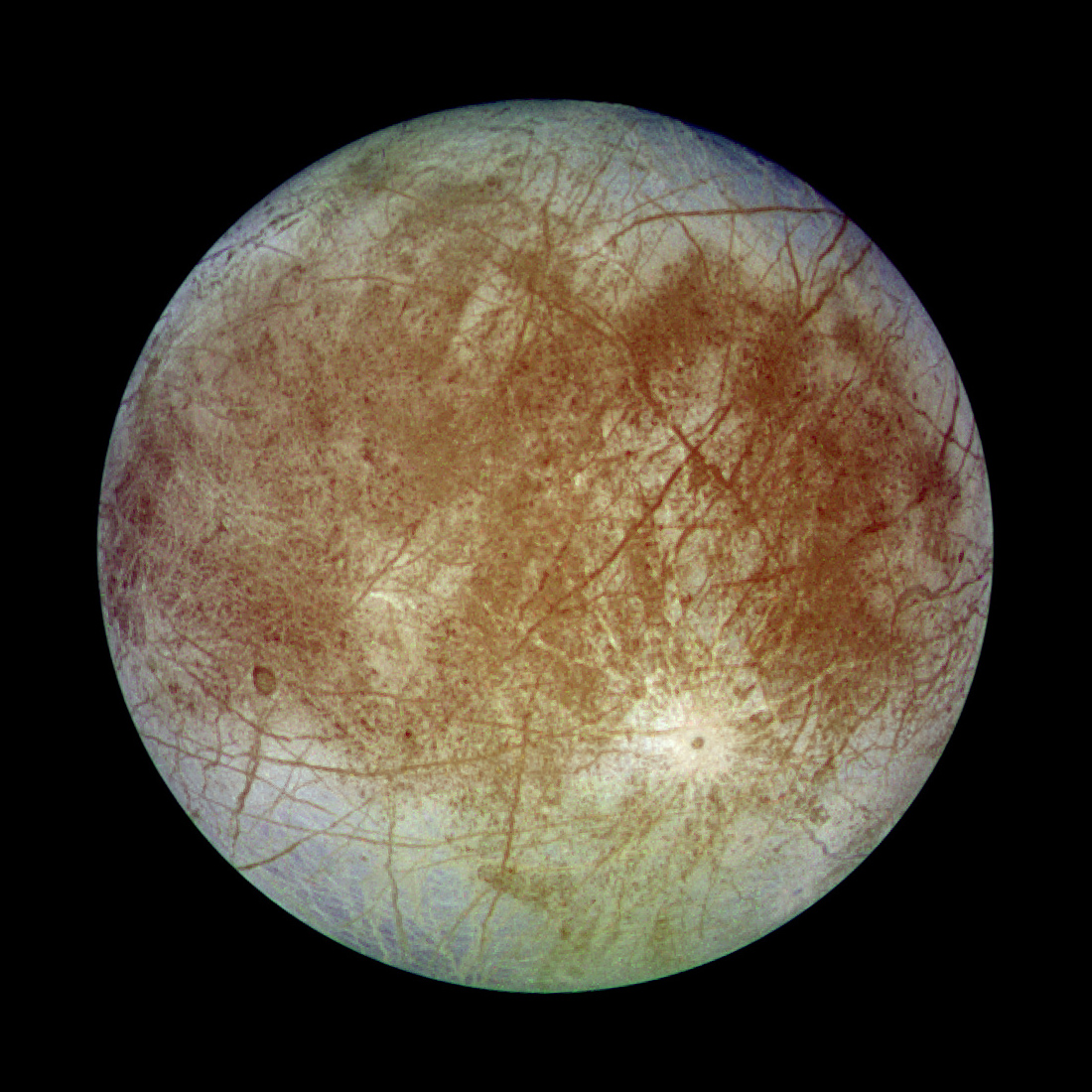
Europa
The Icy Ocean World
Slightly smaller than Earth's Moon, Europa hides one of the solar system's most profound secrets beneath its icy shell.
MOON OF JUPITER

MOON OF JUPITER
Ganymede
The Giant Moon
The absolute largest moon in the solar system — even bigger than the planet Mercury — Ganymede is a world unto itself.
MOON OF JUPITER
MOON OF SATURN
Titan
The Methane Mystery
The second-largest moon in the solar system — also larger than Mercury — Titan bears a startling resemblance to early Earth.
MOON OF SATURN
MOON OF SATURN
Enceladus
The Geyser Moon
Roughly the width of Arizona (~500 km), Enceladus punches far above its weight with spectacular geysers that feed Saturn's E-ring.
MOON OF SATURN
MOON OF NEPTUNE
Triton
The Retrograde Rebel
The seventh-largest moon in the solar system, Triton defies the norm with an orbit running opposite to Neptune's spin.
MOON OF NEPTUNE